
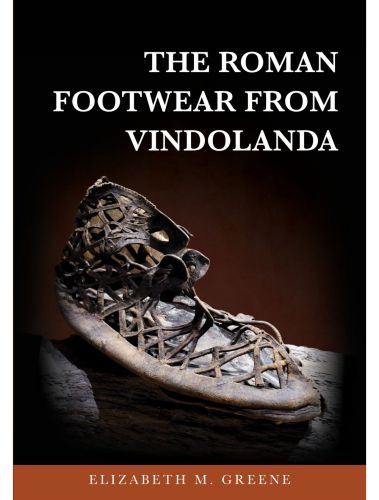
As functional items of dress so fundamental to everyday life, shoes and footwear are generally poorly represented in the archaeological record. Being artefacts made largely from organic materials, preservation is unusual and largely limited to waterlogged or desiccated conditions which are absent from many sites. The internationally important assemblage from the Roman fort of Vindolanda, with nearly 5000 examples, therefore represents an extraordinarily unusual and important material resource for understanding the form, function and social roles of shoes in Roman military and civilian society.
This book describes this assemblage in some detail and offers an accessible and very readable precis of this collection. The various types represented are clearly described, along with detailed descriptions of the manufacture, function and decoration. The best examples in the collection are highlighted; some are undoubtably the finest of their type to survive anywhere from the Roman world.
The book builds on this core typological presentation in examining clues offered by the assemblage as to the use of space and social hierarchy at the site of Vindolanda. It is clear that women and children are well represented alongside the military signature with a variety of different individuals being potentially identifiable from use wear. The analysis makes wide ranging reference to classical sources and depictions in contemporary sculpture to flesh out the picture with discussions of class and gender representations as well as fashion and occupational role. This use of a single category of dress item to delve into these kinds of societal detail presents the assemblage in more than purely functional terms by offering it as an effective window into Romano British society which compliments and enhances that offered by other categories of finds.
Speaking as a finds specialist, this comprehensive account makes the book invaluable to colleagues who most likely only very occasionally encounter fragments of Roman footwear on other sites and have limited available references. Overall however, the target audience of the book is a broader one, with a clear and accessible format designed to appeal to non-specialists and the general public as well as a professional audience. It is well illustrated and referenced throughout, with clearly contextualised presentation of evidence and sources. It is a reasonably priced and recommended addition to the libraries of anyone with an interest in the Roman world, Hadrian’s wall or archaeological artefacts.