
The Code of conduct: professional ethics in archaeology
- defines the rules that tell a professional archaeologist how to behave in accordance with our shared values.
- application of the ethical requirements in the Code is supported by Standards, guidance, policy and good practice guidance.
What is it?
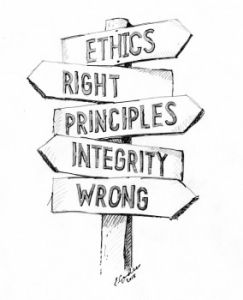
The Code of conduct is the second most important document to the Royal Charter and bylaws in the suite of CIfA governance documents. The Code sets out the rules that tell a professional archaeologist how to behave in accordance with our shared values.
Written by archaeologists for archaeologists, the rules in the Code ensure that all accredited professionals meet their responsibilities to work in the public interest.
Why do we need a Code of conduct?
The Institute was established in 1982 because of a rapid increase in the number of employed archaeologists. Archaeologists agreed there was a need for a body to be responsible for the establishment and maintenance of professional standards in archaeology. Approaches to the regulation of archaeology varies around the world. There are different laws and government policies depending on where you are. For example, in much of the world, archaeology can only be undertaken under a licence – though the scope of the licence and the criteria for obtaining it vary widely– but in England, Scotland and Wales archaeology is essentially unregulated by law. The Code of conduct provides archaeologists with higher ethical standards than the law, and our Standards and guidance set out higher technical requirements and expectations. They apply universally and we use these to regulate ourselves and how archaeology is delivered